

Actually, The Era Ended Yesterday
The Washington Post layoffs and Savannah Gunthrie's plea

Sometimes it’s hard to tell exactly when things in society and culture change for good. Not this time. Two things happened yesterday which put the final nail in the coffin for how things used to be in traditional media. And I’m not okay with all this change.
First, a new wave of layoffs tore through the Washington Post which included the entire Book World department. The Book World team including leader Ron Charles, expert editors like Nora Krug, and staffers like Becky Meloan, were summarily dismissed. In Ron Charles’s recent Substack, he said his Harry & David fruit basket, which he’d received to celebrate his twenty years at the paper, was still on the counter as he heard the news.
I got to know the team at the Washington Post almost six years ago when I started writing for them just before Covid — literally my first piece came out March 13, 2020. I then wrote regularly for them during lockdown. It started with a profile Nora Krug assigned me of Greta Thunberg’s family memoir and led to many articles like children’s books that kept my kids engaged during quarantine, books for overwhelmed moms during lockdown, workbooks for Covid kids, books for a Covid Thanksgiving, books for dog lovers, books for Mother’s Day, and ultimately books that helped me cope with Covid loss after my husband Kyle lost his mother and grandmother.
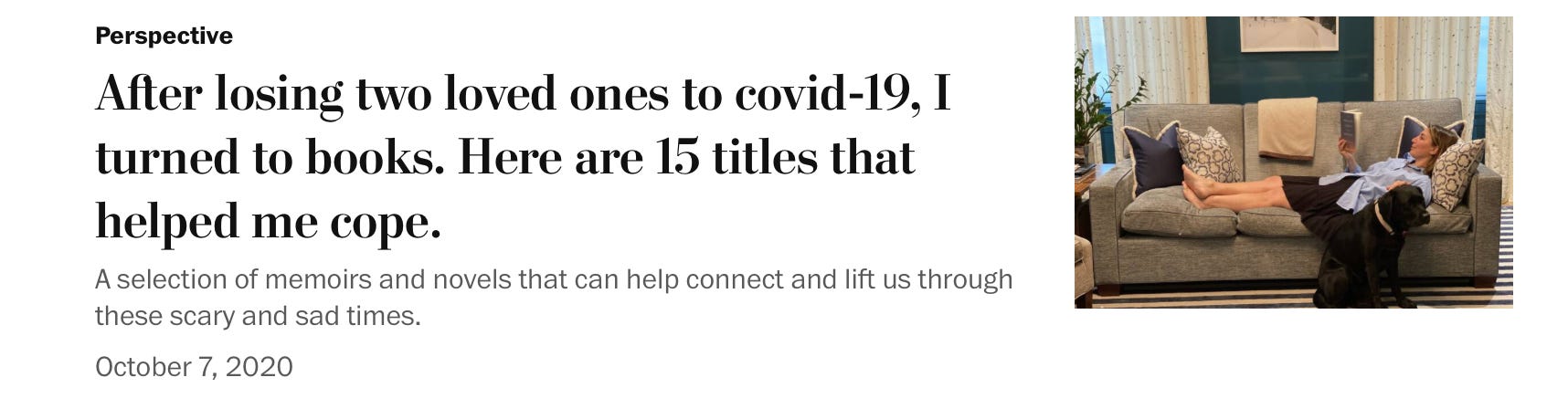
Writing for the Washington Post was a lifeline during an insane time and I’ll be forever grateful. (That’s also when I started writing the books column for Good Morning America which I did monthly for three years.)
As a publisher, though, at Zibby Publishing, we’ve worked with the Book World team for features about our authors which they’ve graciously published including spotlights on John Kenney’s I See You’ve Called in Dead, Jane Hamilton’s The Phoebe Variations, Jane Delury’s Hedge, Swan Huntley’s I Want You More, Megan Tady’s Bluebird Day, Emma Grey’s The Last Love Note, Julie Chavez’s Everyone But Myself, and even my own first anthology, Moms Don’t Have Time To: A Quarantine Anthology. The Opinion team excerpted Lisa Kogan’s essay from my book On Being Jewish Now titled, “It’s Going to Be an Extra-Cabernet Rosh Hashanah this year.”
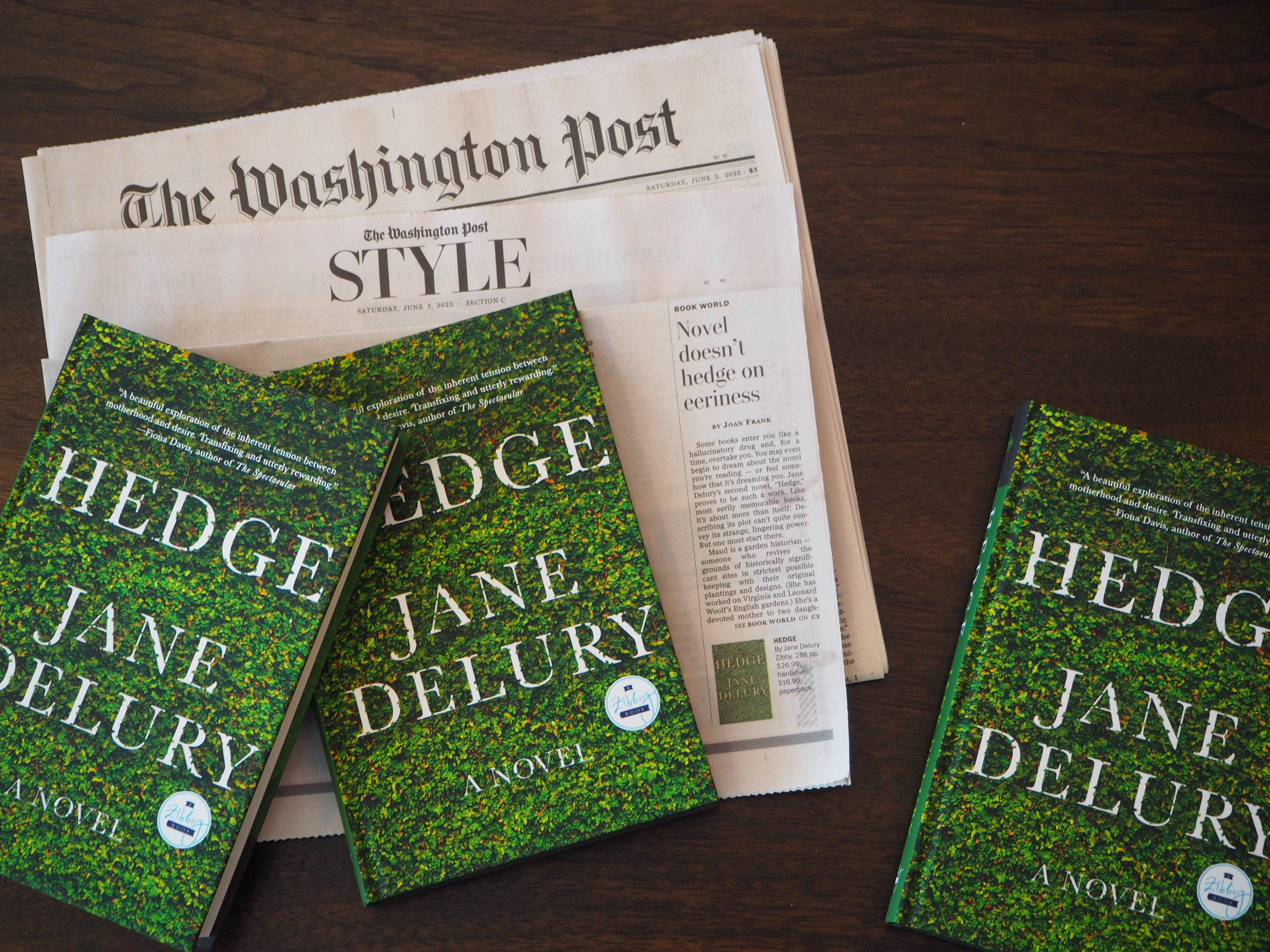
All to say, I am personally grateful to the team at the Washington Post for all of the light they’ve shone on my work or work I’ve published.
But it’s so much bigger than me.
The Washington Post’s books coverage was world-renowned. Important. Culture-shifting. I looked forward to Ron Charles’s weekly newsletter and noted his recommendations. The reviews were thought-provoking, well-written, and expertly curated. A nod from the Post could make or break a book. And now, no one is left to nod — or even to watch who is nodding.
It’s no surprise that yet another bastion of cultural significance has tossed aside books. Legacy media is becoming less and less influential in a book’s life whereas, back in the day, it was absolutely everything. A book can break out even without a mainstream media hit whereas a mention in a newspaper, magazine or, the holy grail, network news, used to be the only way.
Of course now it still helps; the pick-up and legitimization of a title matters. But people often see the coverage on Instagram. It’s an important endorsement like a blurb, more than a newsmaker. Twenty girls crying on TikTok about how a book made them feel can have the same effect of lighting the match just as much as a beautifully crafted article. The power now resides with the people and the social platforms. And so, the newsroom of old packs up.
Yesterday also marked a shift in news media. Savannah Gunthrie’s mother’s kidnapping has captivated and horrified the nation. Who would do such a thing? An 80-something grandmother? As if we needed proof that our elderly don’t get the respect they deserve in our country.
I’ve been personally hanging on every bit of news because I’d gotten to know Savannah through her book launch almost two years ago for Mostly What God Knows. I attended her book launch with a friend and then had her on my podcast to discuss her book. I’d even seen her one day on the TODAY plaza and she’d grabbed me to look inside the studio as they filmed right before I interviewed Al Roker. So we’d stayed in touch. How could this happen?
Last night as I scrolled past bookstagram posts from friends, authors heralding new releases, an ad for a bra to help my horrific posture (how did they know?), and an update on the Iran negotiations, I suddenly stopped cold. Savannah and her siblings were speaking to the camera on Instagram pleading with the kidnappers to talk to them, trying to reach their mother with their reassuring words, and imploring the rest of us to help.
Wait, what?
Suddenly as a viewer, I was part of the news, enmeshed in the trauma. We all were. And it wasn’t on TV in a news conference. It was direct, smart, efficient, instant, horrifying, in my feed, unsolicited. And that was when I realized that TV was also dead.
It happened slowly and then all at once.
But with TV, I could choose what I wanted to watch when. Even as more channels popped up, I could kind of stay on top of all their offerings. Now, every person is a channel, including me. But there is no TV Guide for Instagram. There isn’t even a digital guide to click on what to watch when. No. An algorithm is taking every piece of content and deciding for me what I see and what.
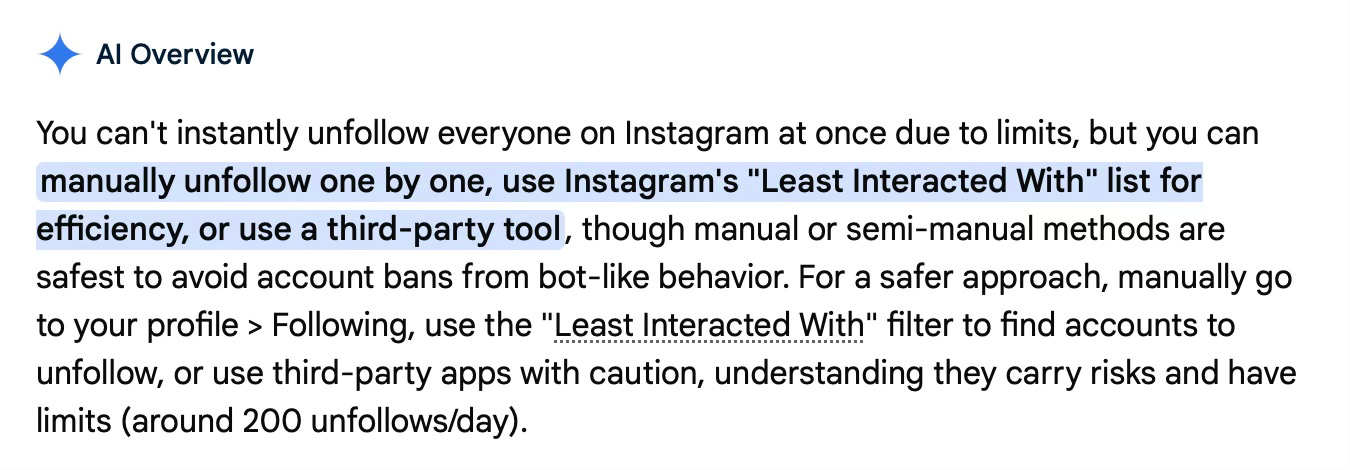
When did I opt into this? When did we all? I feed the machine, of course, by how much time I spend on the app, by how much I post (5,000+ times!), and how much significance I give it in every way. But as a media consumer, I’m not happy. How can I possibly keep up with all the people I follow? Somehow, after nine years on the platform, I’m following 4,368 accounts. Who even are they?! I don’t have time to cull through all of them. Ideally I’d only follow about 10 accounts but there’s no reset.
Actually, I just Googled it. AI says I can do it but risk getting punished.
Our news inputs are a mashup of personalized, echo-chamber posts from people and/or bots posting real or not real videos, voices, and photos with no disclaimers for AI, no editors, and no curation except by disengaged us making random decisions.
And yet, I’m a beneficiary of new media with my own podcast, Instagram, and Substack. I did a Zibby’s Voice Notes episode about Savannah’s mom last night in the moment for Z.I.P. Substack subscribers. I didn’t even think about pitching this article, for example, anywhere other than… here.

What’s next? What and where is the news? What is important and what isn’t? Who do we trust and how can we? The rug has been pulled out from under us and we didn’t even notice because we were just staring down at our phones, laughing at viral videos, and liking posts. We’ve created this problem. We did this to ourselves.
But is this really what we want? Aren’t we ultimately in charge? We’re the people, right? The consumers and producers of media. Aren’t we? Thoughts?
As someone else so aptly said, "Democracy Dies in Darkness" has become WaPo's aspiration. To me, that said it all. Reading here, I wondered why you didn't find a few words (while telling us all about your own life story) to even mention democracy...
I'm devastated by this for so many reasons. This is my paper, the place I've read my entire adult life. So many reporters I respect that are doing such important work being treated this way, some as they're in the midst of dangerous circumstances to share the voice of people fighting for freedom. Entire departments eliminated, including the books section.